

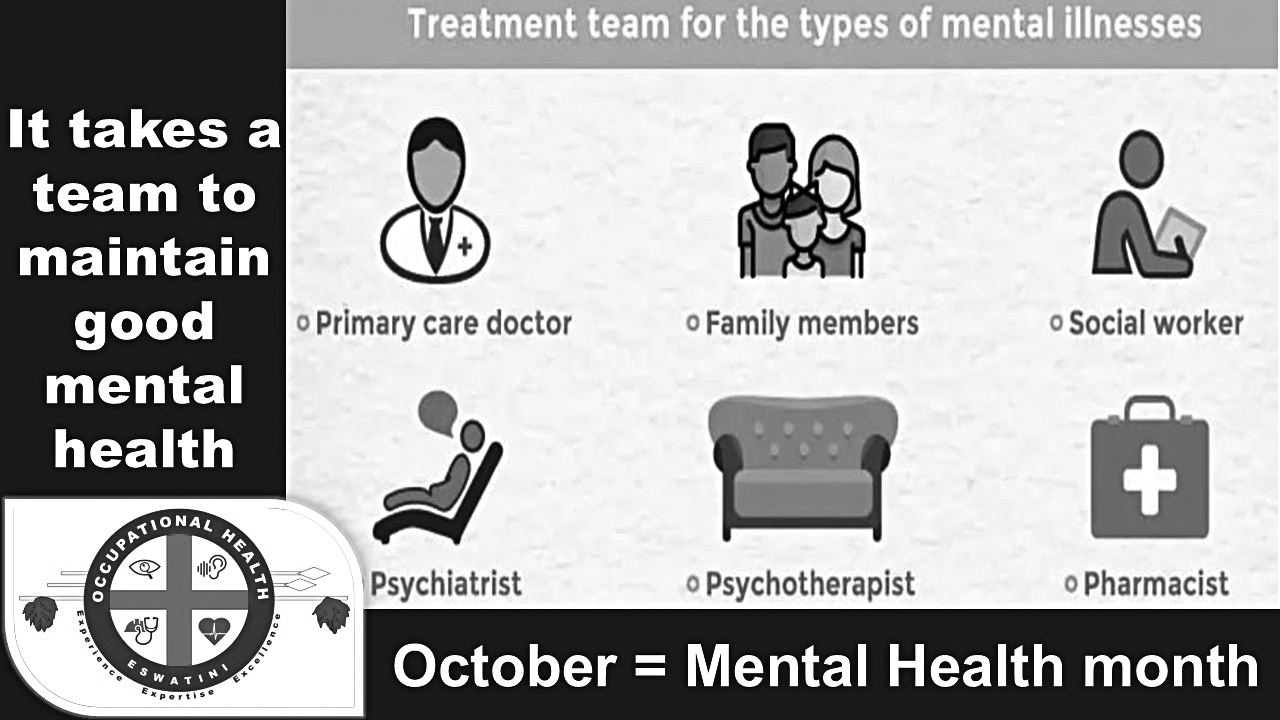
Mental health is a complex subject, when seeking help, it’s essential to understand the different roles and qualifications of mental health professionals, i.e. the scope of treatment of psychologists, psychiatrists, therapists and counsellors in their clinical practices.
Psychiatrists are medical doctors who specialise in preventing, diagnosing and treating mental illnesses. Psychiatrists have the training to differentiate mental health problems from other medical conditions and can monitor the effects of mental illness on physical conditions. Their scope of services include:
- Provide diagnosis for mental health conditions and develop treatment plans.
- Licensed to write prescriptions and often focus on medication management.
- Provide psychotherapy, but they refer this service to therapists and counsellors.
- Provide a holistic mental health approach, i.e., consider the biological, psychological and social factors that contribute to a person’s well-being.
Psychologists play a crucial role in the field of mental health, offering a range of services and expertise to individuals seeking support:
- Provide services to change mindset and behaviours.
- Provide counselling, psychotherapy, psychological testing and treatment for mental disorders.
They cannot prescribe medication but work collaboratively with psychiatrists or other medical professionals who provide medication management.
Psychologists are committed to helping individuals improve their mental health and overall well-being through evidence-based practices and a deep understanding of human behaviour.
Their role is essential in providing the necessary support and guidance for individuals to overcome challenges and achieve positive outcomes in their lives.
Therapists and counsellors play a vital role in providing counselling services and treatment for mental health issues. Their scope includes:
Establish a safe and trusting environment where clients can openly discuss their concerns, thoughts, emotions and experiences.
Develop personalised treatment plans to address specific issues and promote well-being.
Throughout the therapy process, therapists and counsellors work closely with their clients, using evidence-based treatment approaches tailored to their specific needs, which may include:
- Play therapy for children.
- Cognitive-behavioural therapy to change unhealthy thought patterns.
- Dialectical behavioural therapy to manage intense emotions.
Although therapists and counsellors share similarities, there are key differences between the two: The choice between counselling and psychotherapy depends on the individual’s needs and the severity of the problem or mental illness.
Follow The Times of Eswatini (X) and dr.thys (Instagram) for more health hacks. Send queries to ohesmngr@gmail.com.



















Leave a comment