
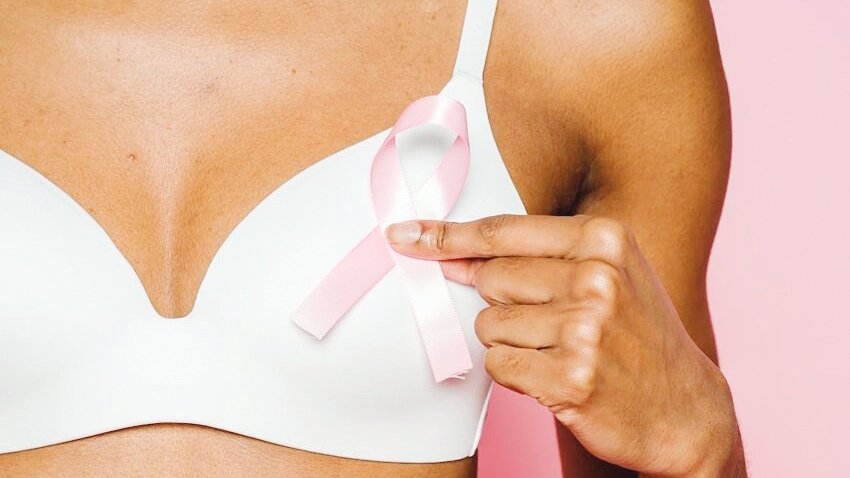
Every October, the world turns a shade of pink as communities unite for Breast Cancer Awareness Month. Founded in 1985, this campaign has grown into a global movement aimed at raising awareness, supporting survivors and funding critical research into the causes and treatment of the disease. However, beyond the pink ribbons and awareness walks, one important question remains: Who is most at risk?The truth is, every woman is potentially at risk of developing breast cancer. However, certain factors place some women in a higher risk category. Understanding these can help promote early detection and better prevention.Age plays a major roleWhile breast cancer can occur in younger women, the risk increases with age. Statistics show that about 1 in 8 invasive breast cancers are found in women under 45, while two-thirds occur in women 55 or older.Family history is another key factorWomen with close blood relatives, a mother, sister or daughter, who have battled breast cancer face about double the risk of developing it themselves.For those with a personal history of breast cancer, the danger also remains high.A woman who has had cancer in one breast has three to four times the chance of developing a new cancer in the other breast, or in another part of the same breast.Even something as invisible as breast density plays a partDense breast tissue not only raises risk, but it also makes it harder for doctors to detect tumours on a mammogram.Weight also mattersOverweight or obese women, especially those with hormone-receptor-positive breast cancer, face higher chances of recurrence and lower survival rates.Lifestyle choices cannot be ignoredSmoking, excessive alcohol consumption, diets high in saturated fats and little to no physical activity all contribute to the risk.While these factors may sound daunting, they are not a death sentence. Instead, they highlight the importance of awareness, regular screenings and healthier lifestyle choices. This month, as we stand with survivors and honour those we’ve lost, let’s also commit to knowing our risks and encouraging others to do the same. Since awareness is more than a ribbon, it is a life-saving choice.


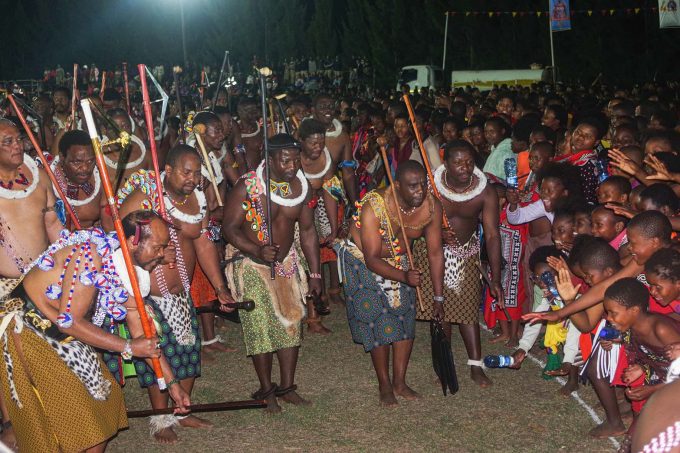
Maidens thrilled as His Majesty the King appreciates them
MBANGWENI – Imbali was overjoyed when His Majesty King Mswati III appreciated her during the ongoing annual Umhlanga Ceremony at Mbangweni Royal Residence....
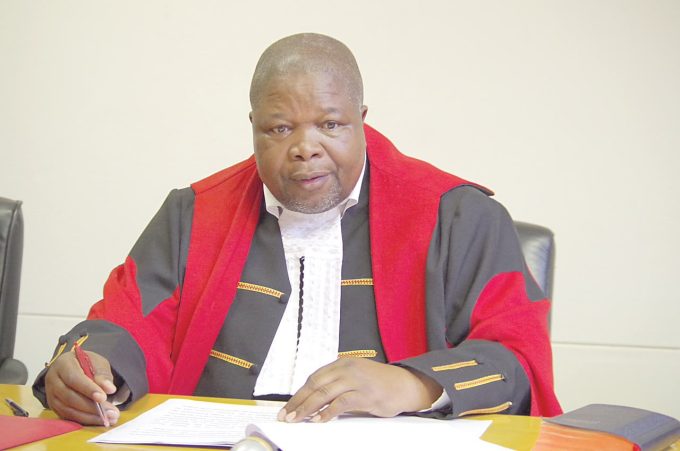
Chief Justice Bheki Maphalala passes on
MBABANE- Chief Justice Bheki Maphalala has died, according to reports emerging on Thursday. Maphalala is reported to have passed away while receiving treatment...

Thousands flock to Shiselweni for Umhlanga second leg
MANZINI – Thousands of Imbali yesterday descended on the Mbangweni Royal Residence in the Shiselweni Region, marking the beginning of the second leg...
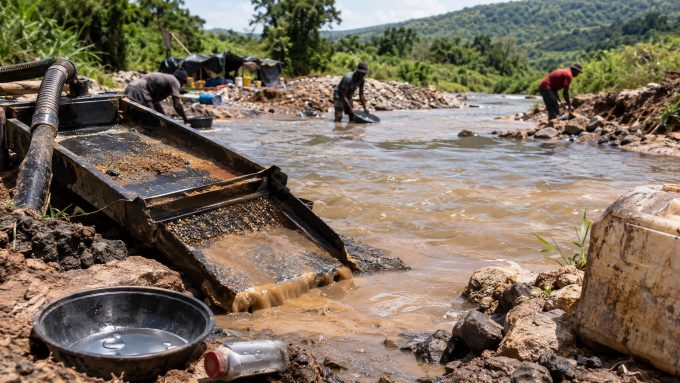
Zama zamas poison Phophonyane lifeline
MBABANE – Illegal miners are allegedly polluting the Phophonyane River, on which thousands of emaSwati depend. The river supplies water mainly to Pigg’s...

E50 000 bail for couple in E2.3 million theft case
MBABANE - A former chief clerk and her husband, implicated in the alleged theft of E2.3 million from Pick Yours Supermarket in Buhleni,...


Daily habits that can cause piles
If you have ever experienced piles, you would know how uncomfortable and...
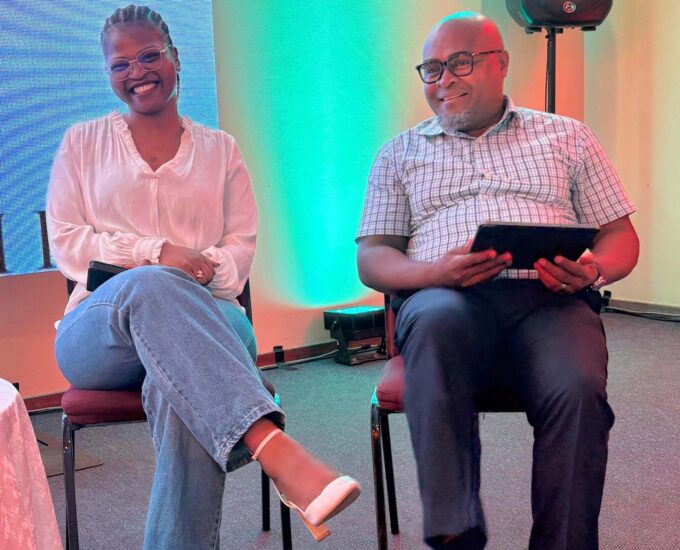
Blame game: When shifting responsibility holds us back
Blaming others can offer temporary relief after disappointment, trauma or failure, but...
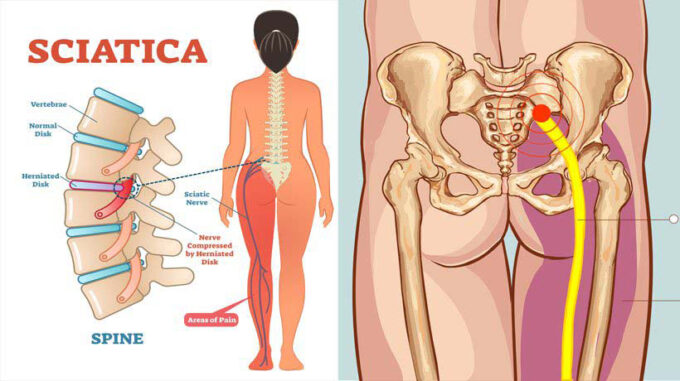
Is it back pain or sciatica?
Sciatica; a radiating pain along the longest nerve in the body, is...
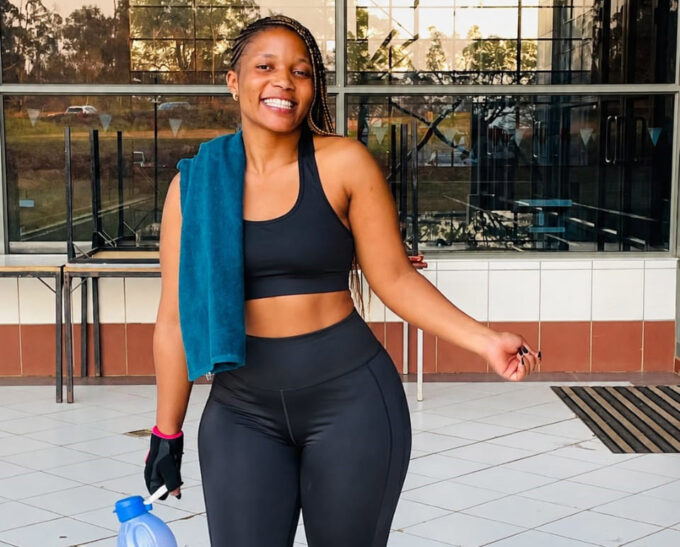
No perfect days, just showing up
Sometimes, the biggest step towards a healthier life is simply deciding that...







Leave a comment