

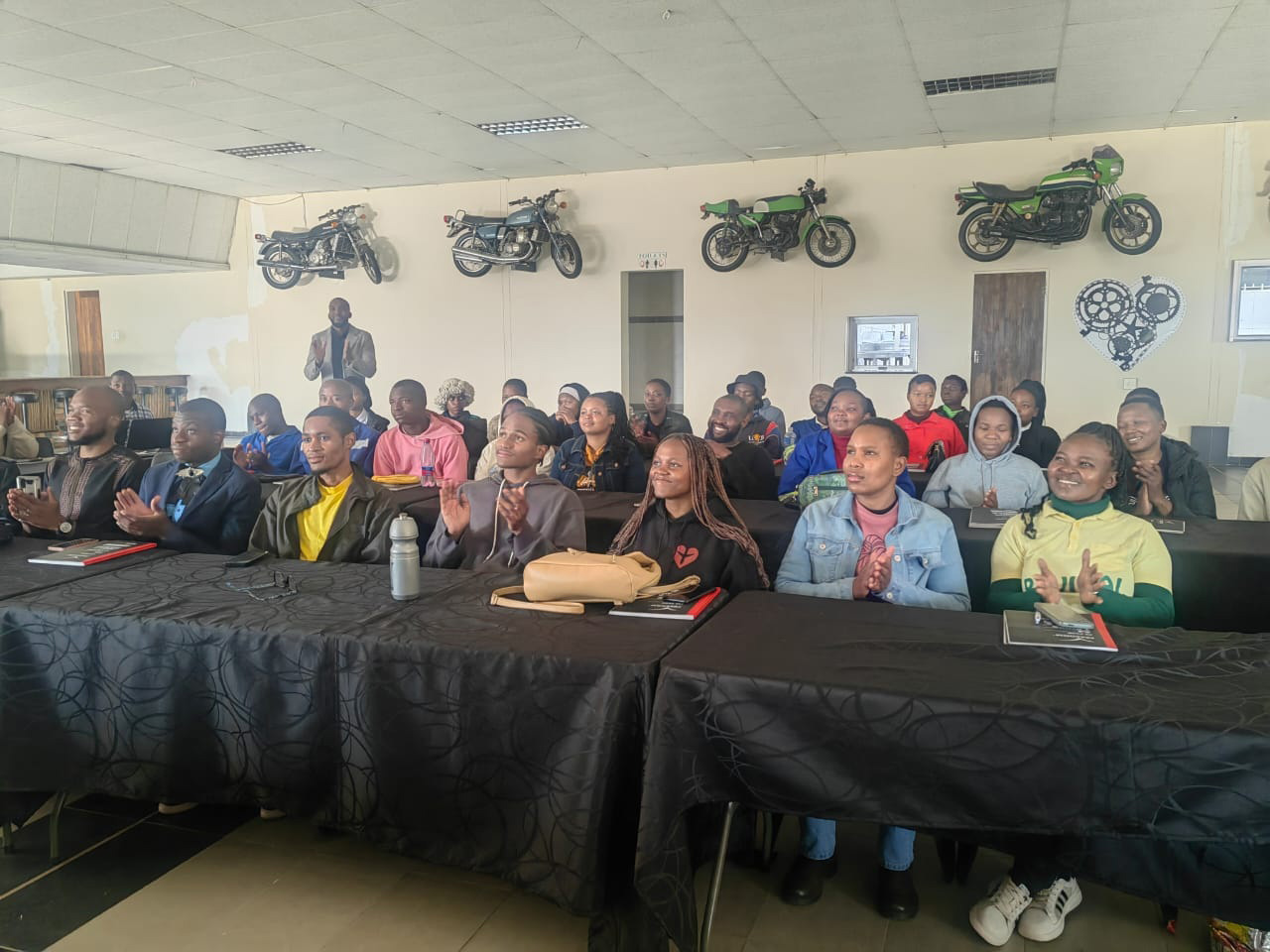
In collaboration with Professors Without Borders, the Woman Farmer Foundation (WFF) welcomed Environmental Science expert Witness Dlamini from Zimbabwe to facilitate a specialised training session for participants of the Innovative Climate-Smart Tunnel Training Programme.
The training equipped young farmers with practical knowledge and sustainable agricultural techniques aimed at improving productivity, protecting the environment and strengthening resilience against climate change.
The programme sought to help participants understand the causes and impacts of climate change on agriculture and rural livelihoods, identify suitable adaptation and resilience-building strategies and understand the role of renewable energy in agriculture and rural development.
From challenges to practical solutions
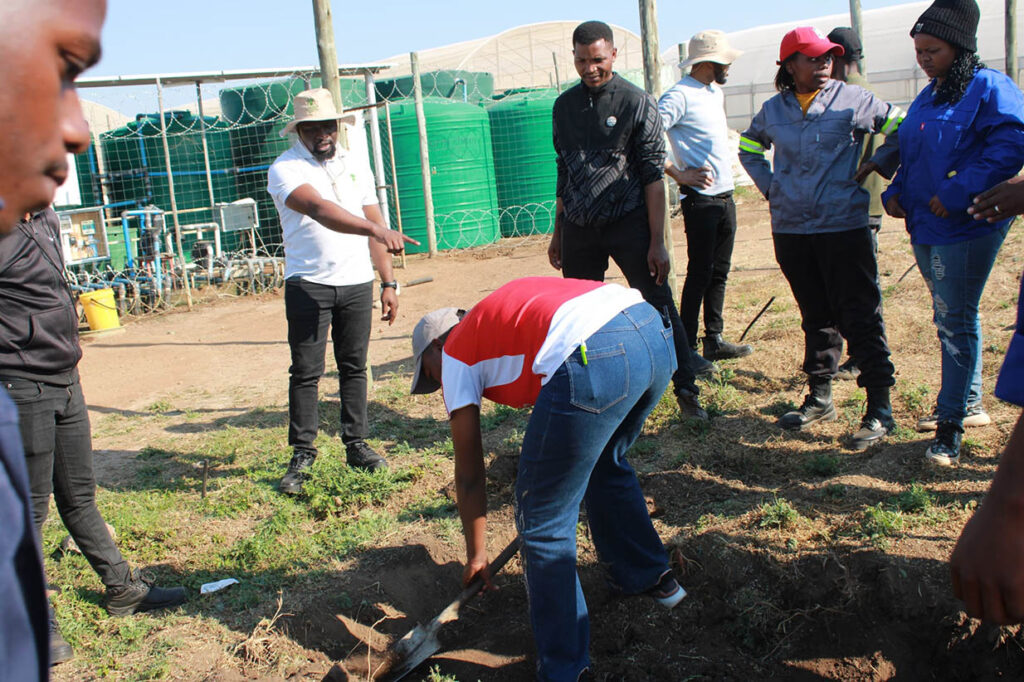
Dlamini emphasised that successful farming goes beyond planting crops, requiring farmers to understand the challenges they face and develop practical, sustainable solutions.
Participants were guided on how to identify agricultural challenges, develop innovative solutions and measure the positive impact of those solutions on their communities.
He encouraged farmers to reduce their dependence on chemical pesticides by using organic alternatives such as garlic and chilli sprays to repel and eliminate insects.
The training also introduced key principles of sustainable agriculture, focusing on practices that conserve natural resources, improve soil health, increase productivity and strengthen resilience.
Learning through practical farming
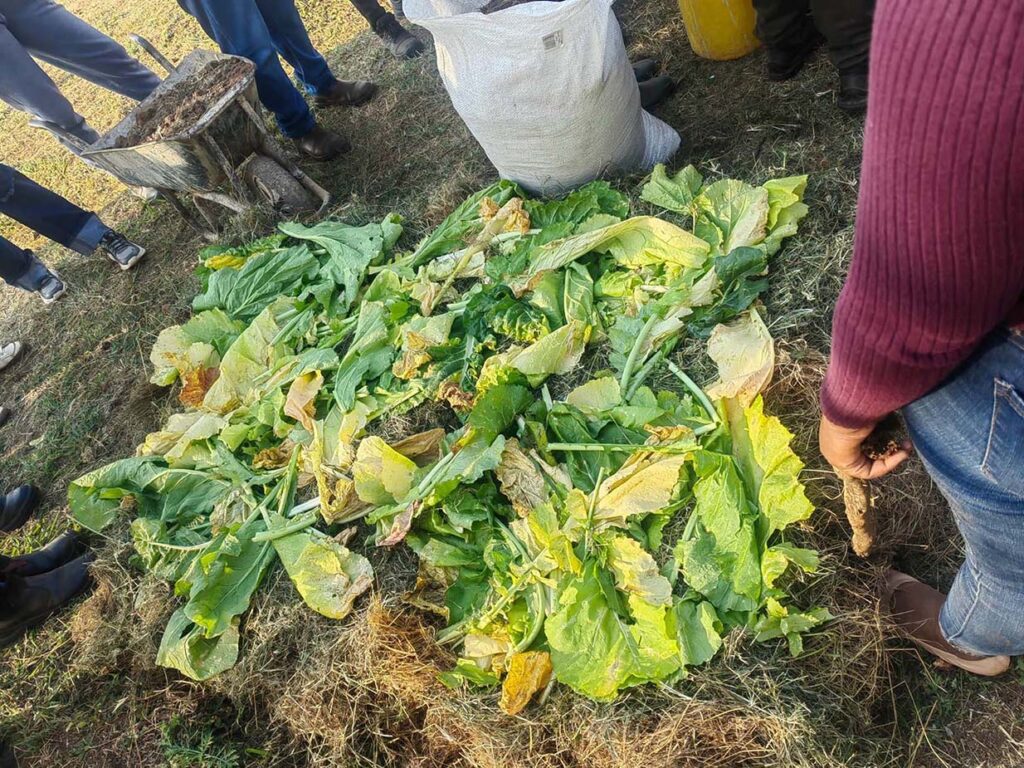
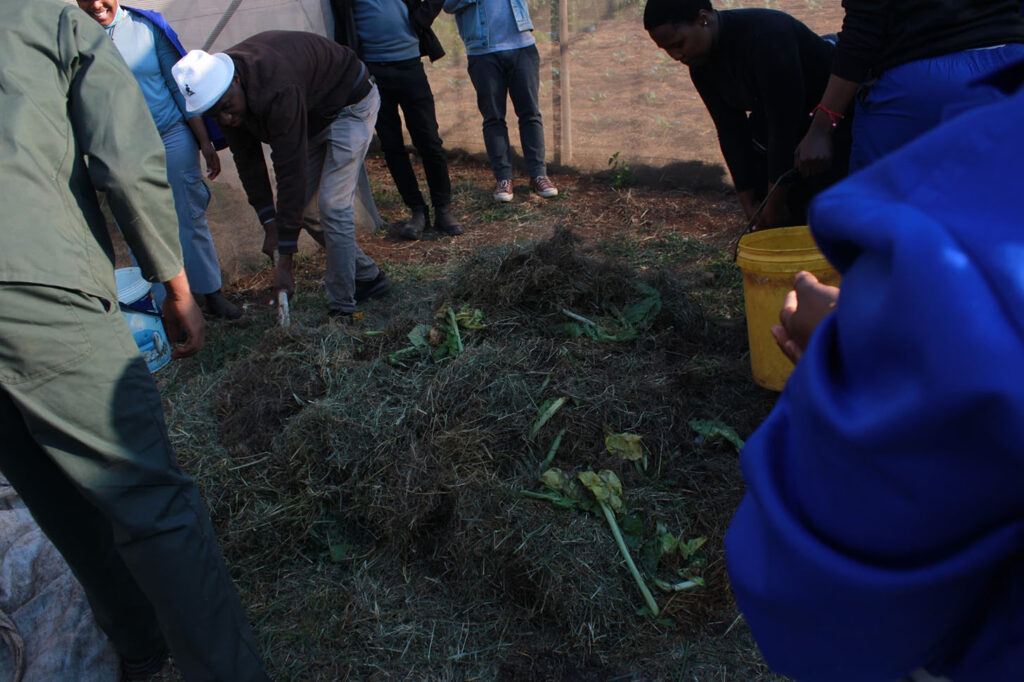
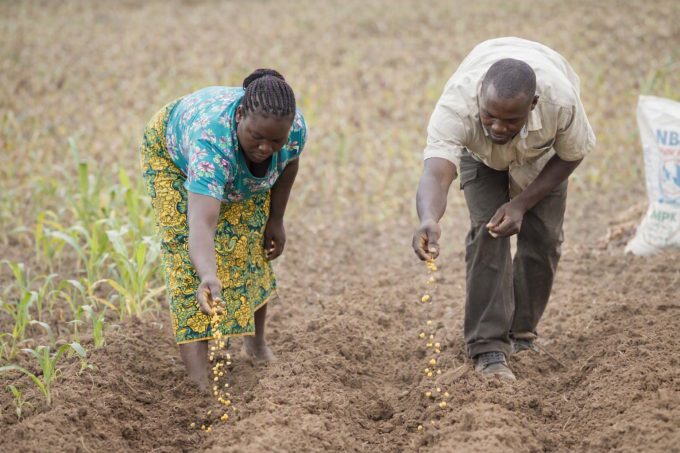
The programme combined theory with practical demonstrations, giving participants hands-on experience in techniques such as compost making and trench bed establishment. These methods promote healthy soils, improve water retention, reduce dependence on chemical fertilisers and support long-term food security.
Dlamini also encouraged participants to explore value addition as a way of increasing the profitability of their farming enterprises.
Using tomatoes as an example, he explained that farmers could dry tomatoes and process them into tomato powder, creating additional value rather than simply selling the fresh produce.
Building skills to access funding
Another important component of the training was climate-smart funding proposal writing.
Dlamini equipped participants with skills to develop compelling and fundable proposals, while highlighting common mistakes that can undermine funding applications.
He provided a step-by-step guide on developing proposals and communicating project objectives, impact and sustainability effectively. Participants then worked in groups to formulate their own proposals as a practical exercise to demonstrate their understanding of the training.
Turning agricultural opportunities into livelihoods
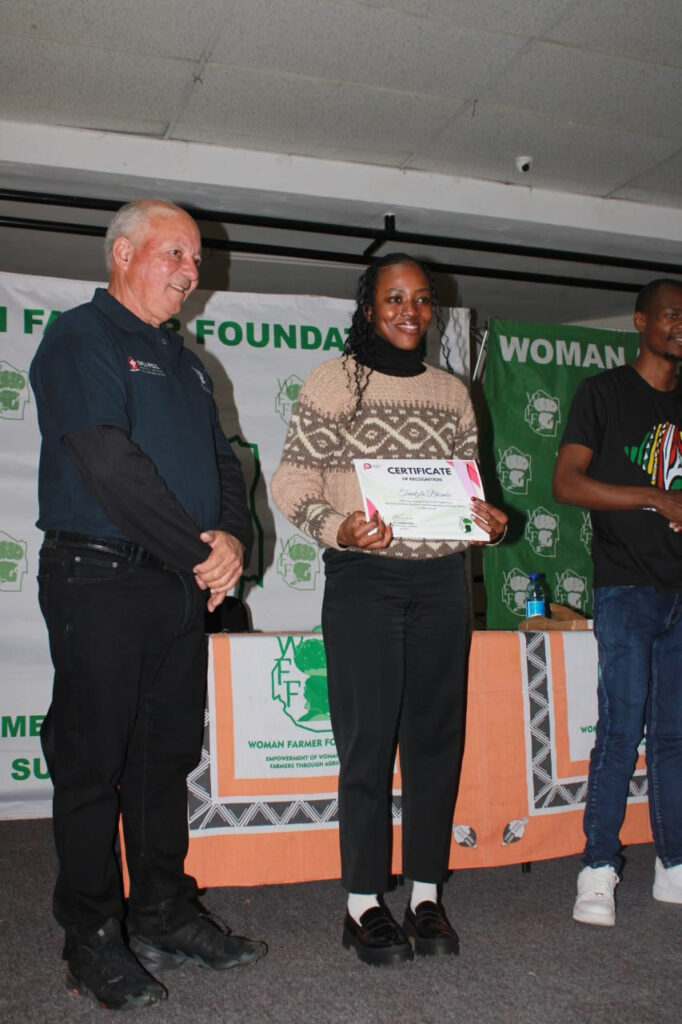
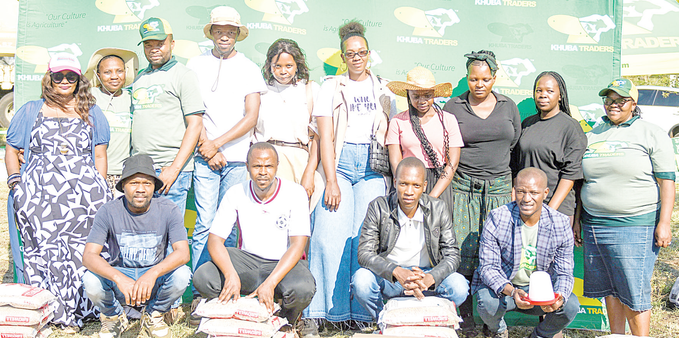
The training concluded with a certificate handover ceremony recognising participants for successfully completing the programme and marking an important milestone in their journey towards becoming skilled and environmentally conscious agricultural entrepreneurs.
Speaking on behalf of WFF Director Sonia Paiva, Carlos Paiva thanked Professors Without Borders for its collaboration with the foundation and for making the training possible.
Paiva also highlighted opportunities within Eswatini’s agricultural market, noting that the country imports carrots worth approximately E36 million annually. He encouraged participants to consider carrot farming as an opportunity to produce food that is currently in demand.
He reaffirmed WFF’s commitment to empowering young people through practical, climate-smart agricultural training that supports sustainable livelihoods, national food security and economic growth.
Paiva further urged young farmers to bridge the gap between generations by sharing their knowledge with older farmers who may not have had access to similar information and training.
The future is green
Paiva reminded the participants that the future of agriculture depends on the initiative of young people. “You cannot sit home and feel sorry for yourself, get up and make it happen,” he said. “The future is green; you can grow it; you can process it and join anywhere in the value chain.”














Leave a comment